‘Biodiversity and Land Use’ is one of the five action areas within the Climate Strategy, with goals to halt land and marine
species decline and increase biodiversity and carbon sequestration across the district.
All Local Authorities must also comply with the strengthened biodiversity duty introduced by the Environment Act 2021.
The biodiversity duty means the council must:
- Consider what we can do to conserve and enhance biodiversity.
- Agree policies and specific objectives based on our consideration.
- Act to deliver our policies and achieve our objectives.
The Council’s Climate Strategy and Climate Action Plan identifies the actions the Council is taking to meet the duty.
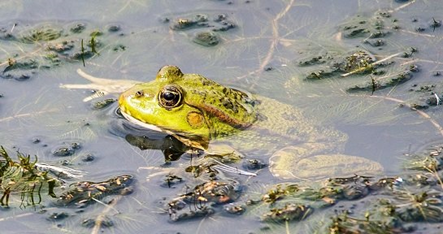
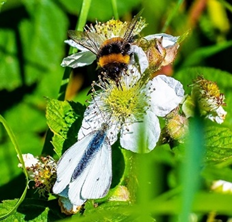
In 2023, we audited 23 of our largest rural sites to help plan how to manage, protect and enhance these areas, with the potential to create a wildlife corridor between Rye Harbour Nature Reserve SSSI and the High Weald National Landscape (formerly known as High Weald AONB) in the northernmost part of the district. The reports for each site can be viewed by clicking on the button below.
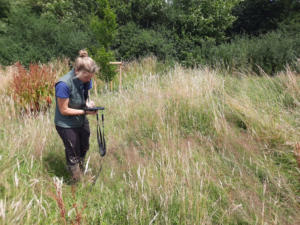
Under the Biodiversity Net Gain (BNG) legislation, new developments must demonstrate at least a 10% increase in biodiversity value to gain planning permission. When this uplift cannot be achieved on-site, developers can purchase biodiversity units from off-site locations—known as Habitat Banks. Rother District Council is inviting submissions for new Habitat Banks across the district to support our strategic goals and ensure that biodiversity impacts from development are compensated for locally.
Landowners, land agents, habitat bank brokers and developers can learn more and submit an expression of interest to create a habitat bank here.